Before the ruin
when the sea was green breaking to white
and children chased each other
when the sun was life
and they picnicked: olives, hummus, bread

After the ruin
with my sister I walk among giants of rock
on the south coast of Oregon
Angels, old and black,
chant their subduction
the clash of volcanoes, islands
and small continents shoved up against
the continental plate

In Gaza the ruin has not ended
With no thought of beaches
hounded children crouch in tents
Their parents seek just a little flour
for bread

Dear angels of subduction
we set our hands on your vast shoulders
we ask for your strength
we pray against ruin

Before we rose, in the daylight of Gaza
bombs rained on the camps
and demolished		demolished
one father, four children in a tent

One mother is left
and she has no feet

What is this world
What is this crashing
What raided the house of our belonging
left doors swinging on broken hinges
What suffocates us all
What ruin

Dear sentinels, dear Old Ones
we are not strong like you
we need our feet
we need gentleness and food
Dear God in heaven
come to the beaches of Gaza
and the tents, come now

Tell us
how we live in this bombing
or far away from it
with helpless hands

I walk out to one of the giants
lean against its ancient bulk
A wave rolls in over my feet
How do I live
Good Friday worship can awaken a whole raft of emotions: love, gratitude, sorrow—and sometimes rage. In the final weeks of his life, Bonhoeffer wrote, “Christians stand by God in God’s hour of grieving.” What does that mean for us now?
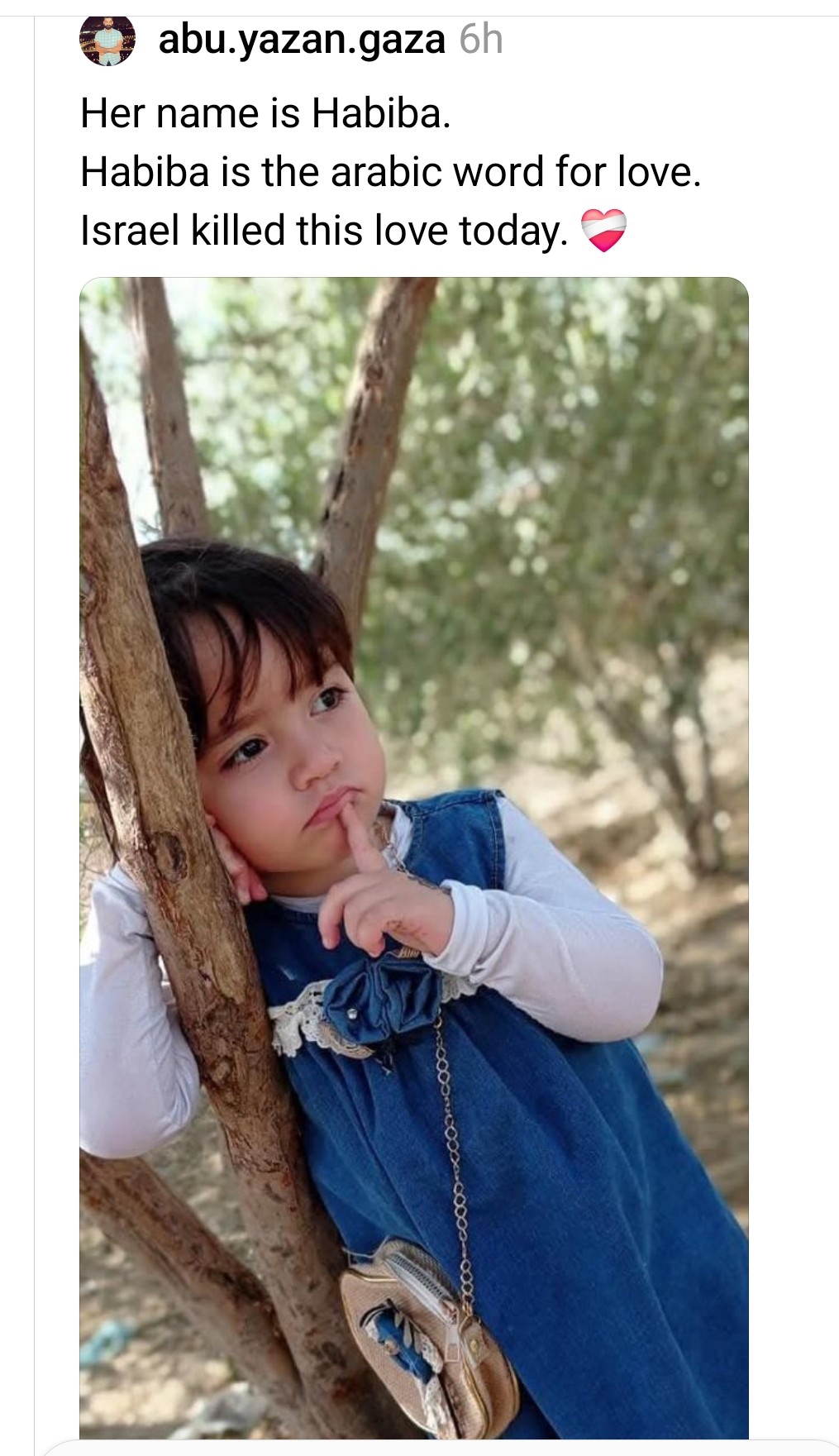
I walked home from church last night in a hot rage. Actually there was a mess of emotions—tender desire to stay awake with Jesus in his suffering; gratitude for the creative devotion of those who had crafted a series of sensory meditations to help us do that; distress over the loss of a beautiful Palestinian girl-child, which I had learned about on social media earlier that evening, and a beautiful Palestinian boy-child’s loss of limbs.
And fury at the broken promises of my country.
In eighth grade I was in the USA with my family, and in home room at Milburn Junior High School that year we were shown jerky films of skin-and-bones survivors of Nazi concentration camps. I will never forget those naked forms of human beings, beloved of God, starved to barely-aliveness. Barely able to walk, weighing barely enough for gravity to hold them to the earth. Those films came with solemn assurances that now we had the United Nations, we had an international system to make sure the Holocaust would never happen again.
Habiba and Mahmoud would beg to differ. The very country that claimed credit for stopping the Holocaust is now supplying the bombs raining down on the tents where their families are taking shelter. And that very country has been blocking the United Nations from putting an end to the genocide.
And it is my country. And many, many of us around the world are desperate to stop the violence, and thus far we have failed.
So I have no Easter platitudes to offer. I will go to church again on Sunday morning, and I’ll take joy in the resurrection story—I will cling to the hope it provides. But in my heart, until Israel’s crazed violence against the Palestinian people and land has been brought to an end, I will keep trying to stay awake with Jesus. Because Jesus is suffering with Mahmoud, and with Habiba’s bereft family, and with all of Palestine.
Habiba’s name means Love. She was killed on Good Friday.
Processing…
Success! You're on the list.
Whoops! There was an error and we couldn't process your subscription. Please reload the page and try again.
For a few years now I have been pondering the words of Julian of Norwich, the medieval woman who at age 30 received a series of “showings” or revelations of the love of God. She dedicated the rest of her life to praying through these visions, asking God questions about them, deciphering their meaning. In fact after she wrote them down, she began writing them again as she understood more.
Julian moved into a small anchorhold–a monastic cell built against a wall of St. Julian’s Church in the city of Norwich, England. Another woman lived in an adjoining cell and took care of her practical needs so that Julian could live as an anchorite, mostly in solitude for prayer and writing but in the afternoons receiving visitors who came to her porch window to seek her counsel.
I feel a great kinship with Julian, not because I possess comparable wisdom and dazzling intellect but because I too have had deep experiences of God’s love. Julian’s insights speak to my heart. They are carrying me through these years of terrifying climate change and pandemic and war and the violence of white supremacy. Julian is an older sister who holds my hand, grieves with me, and helps persuade my anxious body to rest in love.
The title I chose for this post is from an extended meditation on a brief vision Julian received. A lord (remember, she lived in medieval England) is sitting on a throne with a servant nearby. The lord asks the servant to take care of a certain task, and the young man leaps up to obey–but immediately stumbles and falls. Instead of berating him for his awkwardness, the lord descends from the throne and kindly takes his hand to help him up.
Julian is fascinated by this parable/vision and spends several pages interpreting it. The lord, of course, is God, and the servant is the paradigmatic human being, Adam. The first sin committed by the first humans in the book of Genesis has long been called “the fall.” But Julian is moved and astonished to see how gently God responds to Adam’s offense. This was not the God portrayed in most church sermons in her day.
Julian shares other insights as she digs into this parable–too much to explain here. What I’ve been carrying around in the notes app on my phone is one phrase: within the lord she sees “a great refuge, long and wide and full of endless heavens.”
Every time I read it, I must stop and take a deep, glad breath.
God is some kind of a river, some kind of a sky, some kind of a forest in which every vulnerable created thing is welcomed and protected.




 Ruth Goring